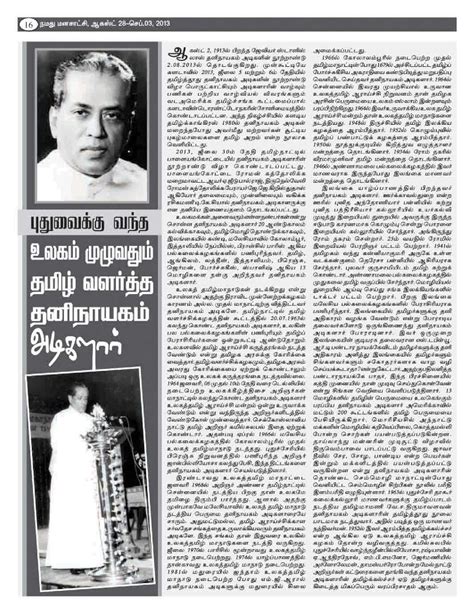
From Kayts to Rome, London, Paris, and Kuala Lumpur: the global intellectual trajectory of Father Thani Nayagam.
01
Early Life and Family
தொடக்க வாழ்வும் குடும்பப் பின்னணியும்
Born Xavier Nicholas Stanislaus on 2 August 1913 in Karampon, near Kayts (Ūr kāvaṟtuṟai) in the Jaffna district, he later took the name Xavier S. Thani Nayagam after becoming a Roman Catholic priest. “Thani Nayagam” translates as “lone hero.” His parents were Naganathan Stanislaus and Cecilia Bastiampillai; his paternal grandfather, Thaninayaga Mudali, came from Delft Island (Neduntheevu). He studied at St. Anthony’s College, Kayts, and then at St. Patrick’s College, Jaffna (1920–1922), receiving an English-medium education.
Rev. Dr. Xavier S. Thani Nayagam — Archival Retrospective Plate [S2]02
Priestly Formation and Education in Rome
ரோமில் ஆன்மிகப் பயிற்சியும் இறையியல் முனைவர் பட்டமும்
From 1934 to 1939, he resided at the Pontifical Urban University in Rome, earning a Doctor of Divinity degree with his dissertation The Carthaginian Clergy. Ordained a priest in Rome on 19 March 1938, he traveled widely across Western Europe, learning Italian, French, German, Spanish, and Portuguese alongside Latin and Greek, establishing the polyglot foundation that underpinned his later scholarly career.
03
Southern India and Tamil Awakening
தமிழக வருகையும் செவ்வியல் தமிழ் ஆய்வும்
Arriving in South India in 1940, he served at St. Joseph’s High School in Vadakangulam (Tirunelveli) and began studying Tamil systematically with local pandits. From 1945 to 1947, he conducted research at Annamalai University under the guidance of S. Somasundara Bharati, earning a Master of Letters (M.Litt.) degree with his thesis Nature in Ancient Tamil Poetry.
04
Academic Careers in Ceylon, London, and Malaya
பல்கலைக்கழகப் பேராசிரியப் பணிகளும் உலக விரிவுரைகளும்
From 1952 to 1961, he served as a Lecturer in Education at the University of Ceylon, Peradeniya. During this time, he pursued a second doctorate at the University of London Institute of Education, awarded a Ph.D. in 1957. In 1961, he was appointed Professor and Head of the Department of Indian Studies at the University of Malaya in Kuala Lumpur. He also taught as a Visiting Professor at the Sorbonne and the University of Naples.
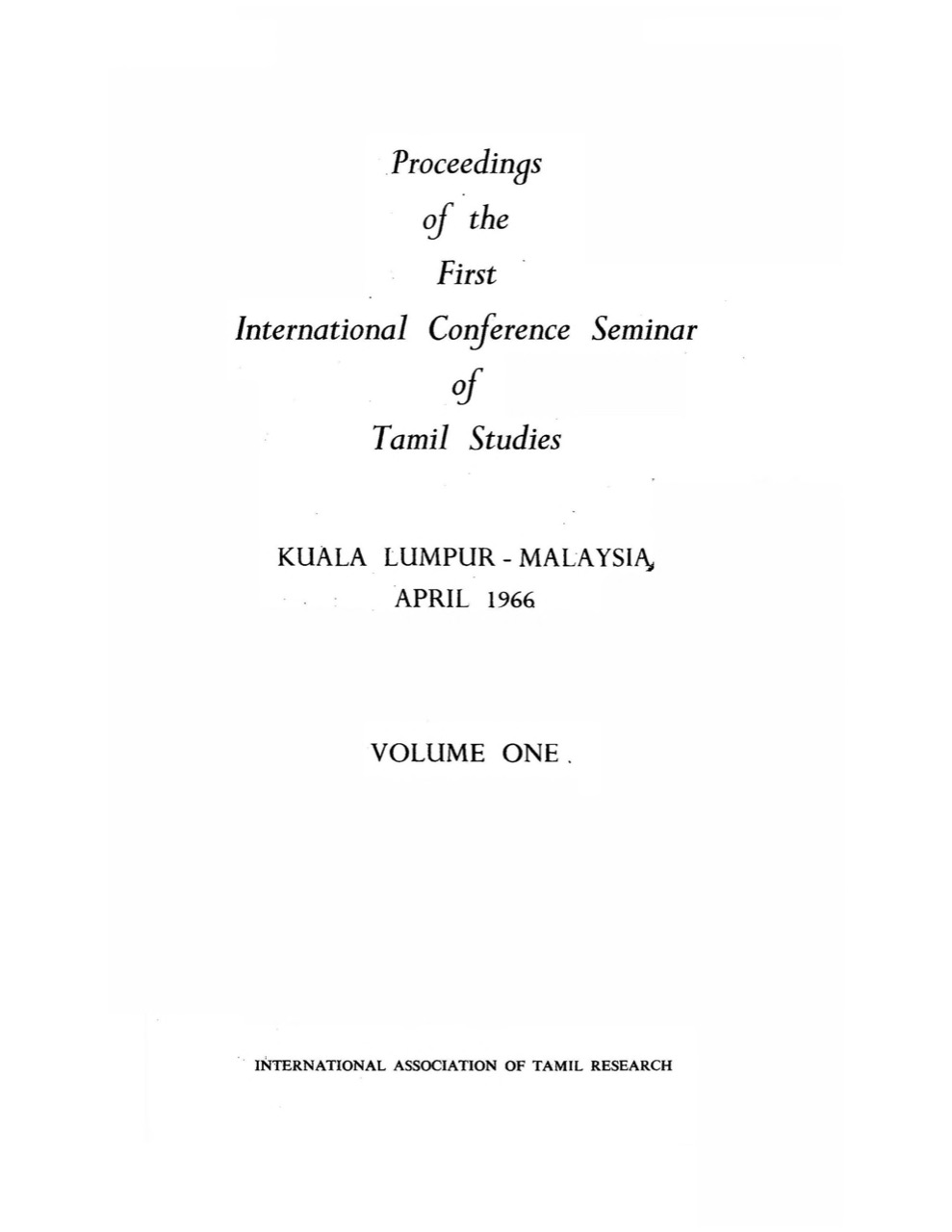
First International Conference-Seminar Proceedings (Kuala Lumpur, 1966) [S5]05
Publishing, Archives, and Institutions
ஆய்விதழியல், உலக மாநாடுகள், அச்சு மீட்டெடுப்பு
In 1952 in Tuticorin, he founded the Tamil Literature Society and launched Tamil Culture, an English-language quarterly. In Lisbon in 1950, he identified the 1554 Cartilha (Luso-Tamil Catechism) — the first book printed containing an Indian language. On 7 January 1964 in New Delhi, alongside Jean Filliozat, Kamil Zvelebil, and V. I. Subramaniam, he co-founded the International Association for Tamil Research (IATR). In April 1966, he organized the First International Conference-Seminar of Tamil Studies in Kuala Lumpur.
06
Final Years and Honours
நிறைவு வாழ்வும் வரலாற்று நினைவேந்தலும்
In April 1980, he delivered the Thanthai Chelva Memorial Lecture in Colombo on Research in Tamil Studies. He passed away in Jaffna on the evening of 1 September 1980. At the 5th World Tamil Conference in Madurai (1981), a commemorative statue was unveiled in his honour, and the University of Jaffna conferred a posthumous doctorate.
01
Chronological Milestones
Milestones
Seventeen Documented Milestones (1913–1981)
Formative Era (1913–1939)
1913
Birth in Karampon, Jaffna
Born 2 August to Naganathan Stanislaus and Cecilia Bastiampillai.