contributions
Historical Contributions
Sixteenth-century print recovery, Tamil Culture quarterly, IATR founding, and international conferences.
Publishing (‘Tamil Culture’ Quarterly)
ஆய்விதழியல் (‘Tamil Culture’ காலாண்டிதழ்)
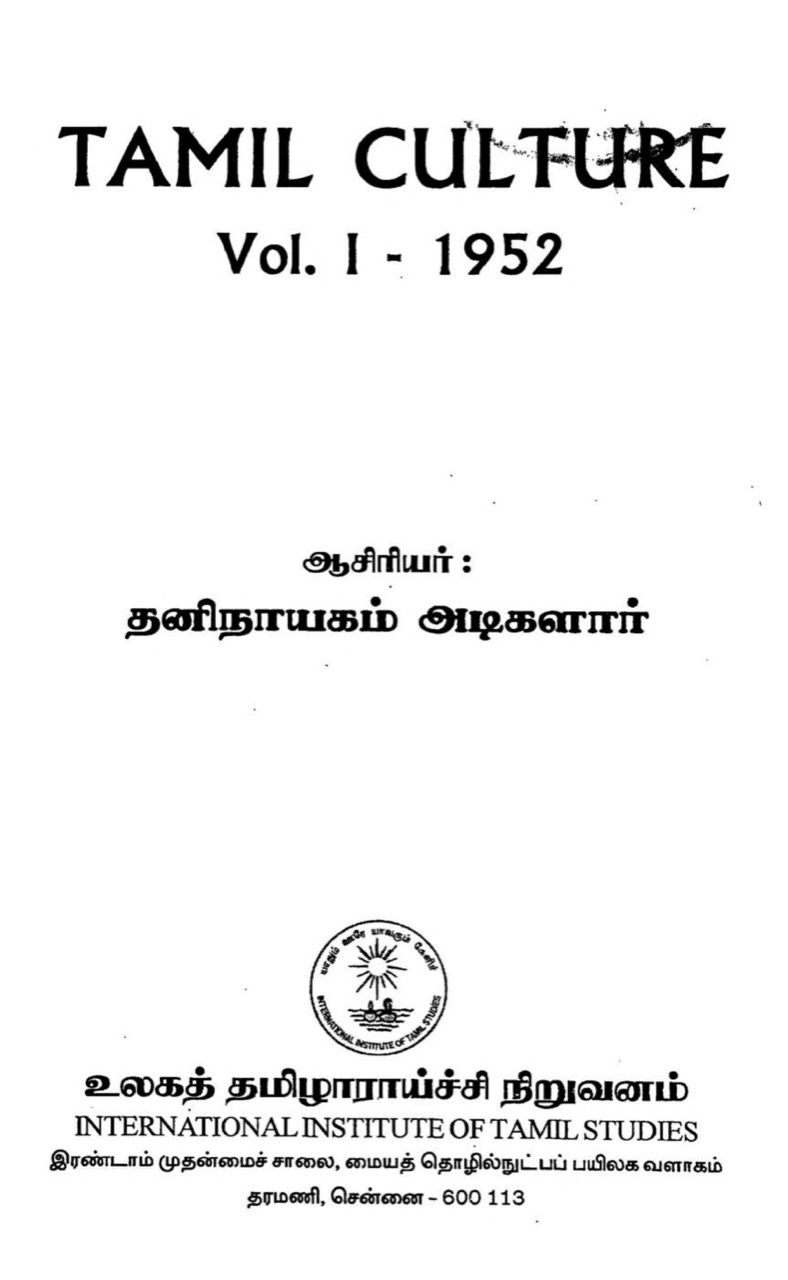
Founded Tamil Culture (1952–1966), an English-language quarterly dedicated to Tamil literature, history, art, and society. Reached universities globally and carried work by scholars including Kamil Zvelebil, Jean Filliozat, Mikhail Andronov, Murray Emeneau, F. B. J. Kuiper, J. R. Marr, C. R. Boxer, and Thomas Burrow.
Institution Building (IATR)
நிறுவன உருவாக்கம் (உலகத் தமிழாராய்ச்சி மன்றம் - IATR)
Convened scholars in New Delhi on 7 January 1964 to found the International Association for Tamil Research. Jean Filliozat was first president; Thomas Burrow, Murray Emeneau, T. P. Meenakshisundaram, Mu. Varadarajan served as vice-presidents; Thani Nayagam and Zvelebil served as joint secretaries.
Conference Leadership (1966 KL Conference)
மாநாட்டுத் தலைமை (கோலாலம்பூர் உலக மாநாடு, 1966)
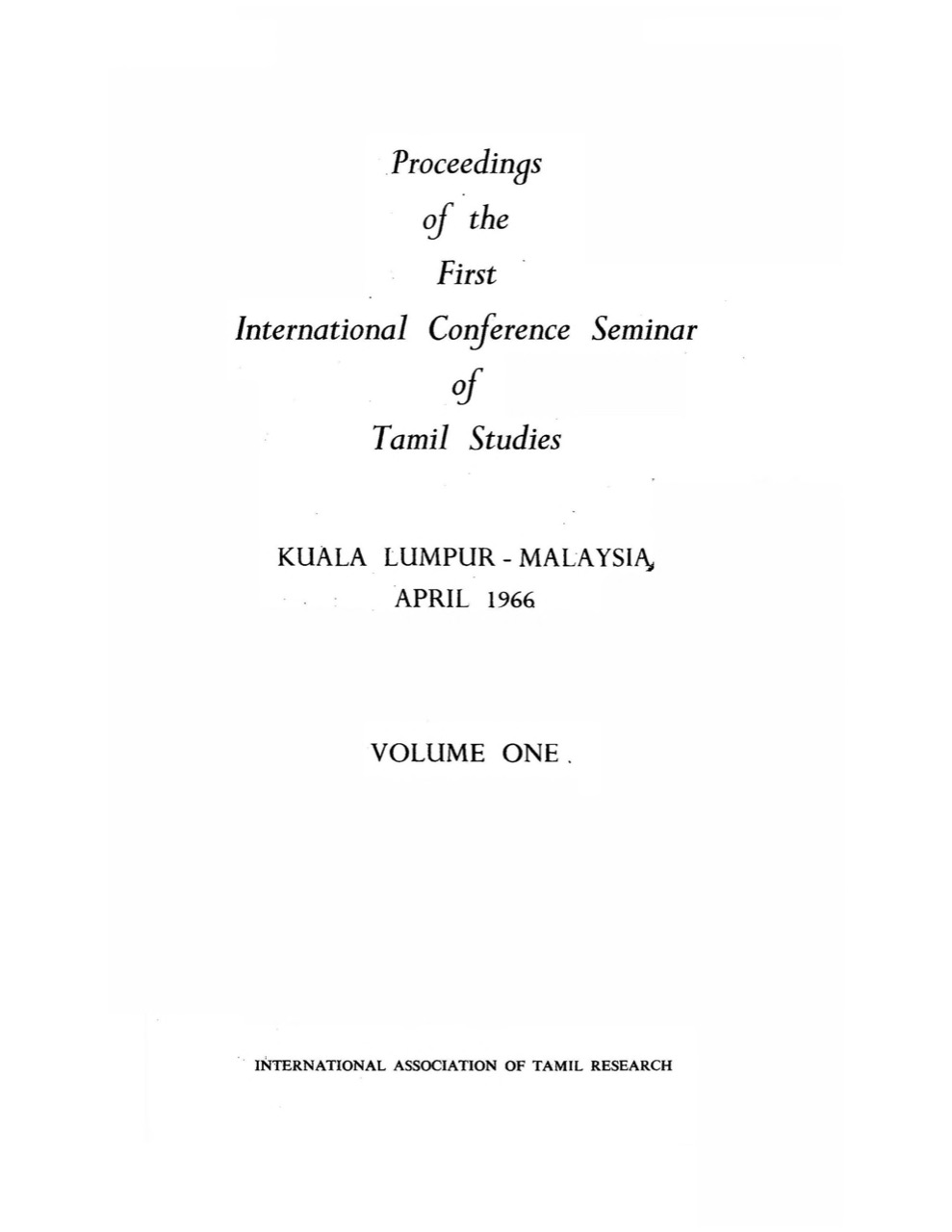
General Secretary of the 1st International Conference-Seminar of Tamil Studies (16–23 April 1966). Opened by Malaysian Prime Minister Tunku Abdul Rahman; attended by Tamil Nadu Chief Minister M. Bhaktavatsalam. Published two-volume proceedings.
Archival Research (16th-Century Print Recovery)
ஆவண ஆய்வு (16-ஆம் நூற்றாண்டுத் தமிழ் அச்சு மீட்பு)
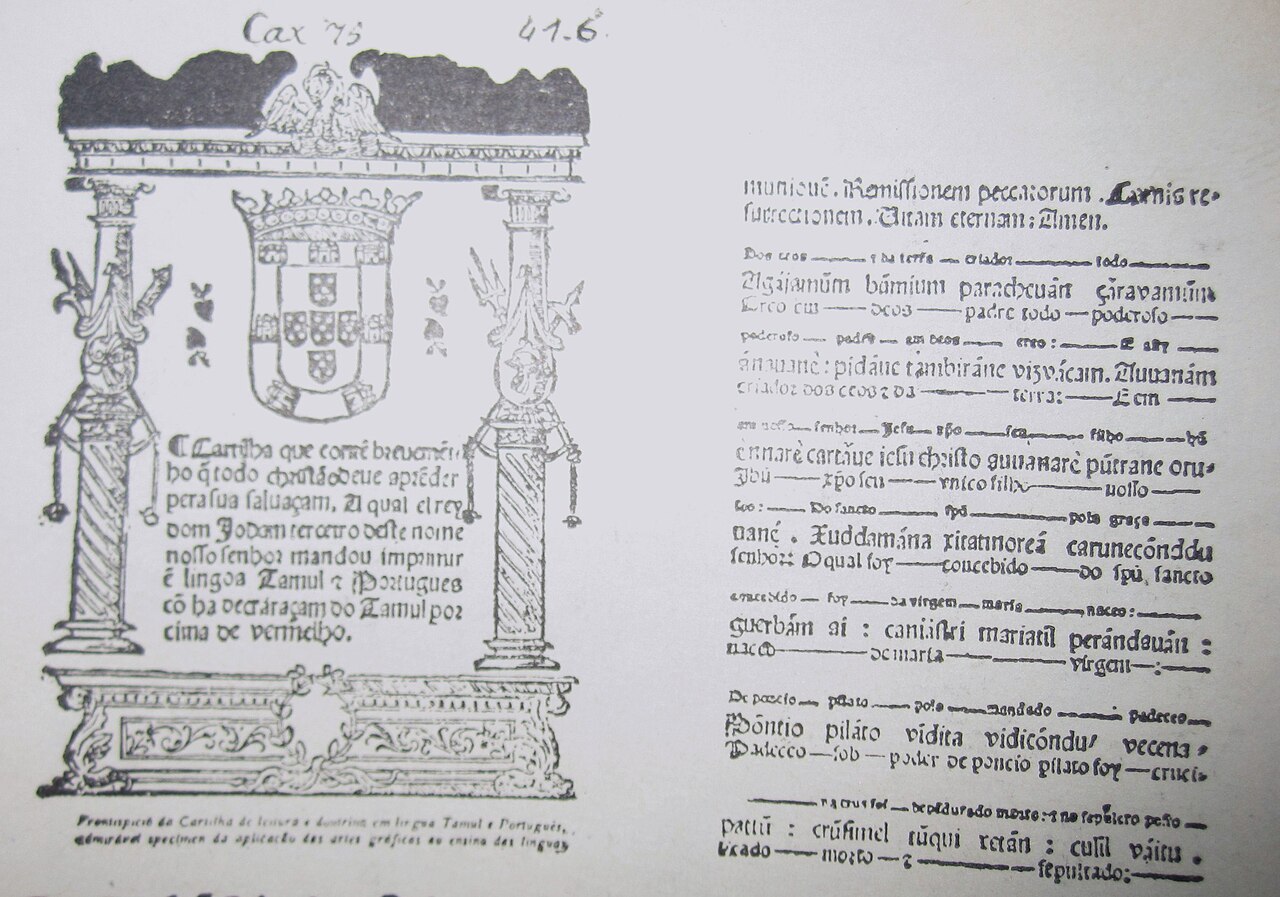
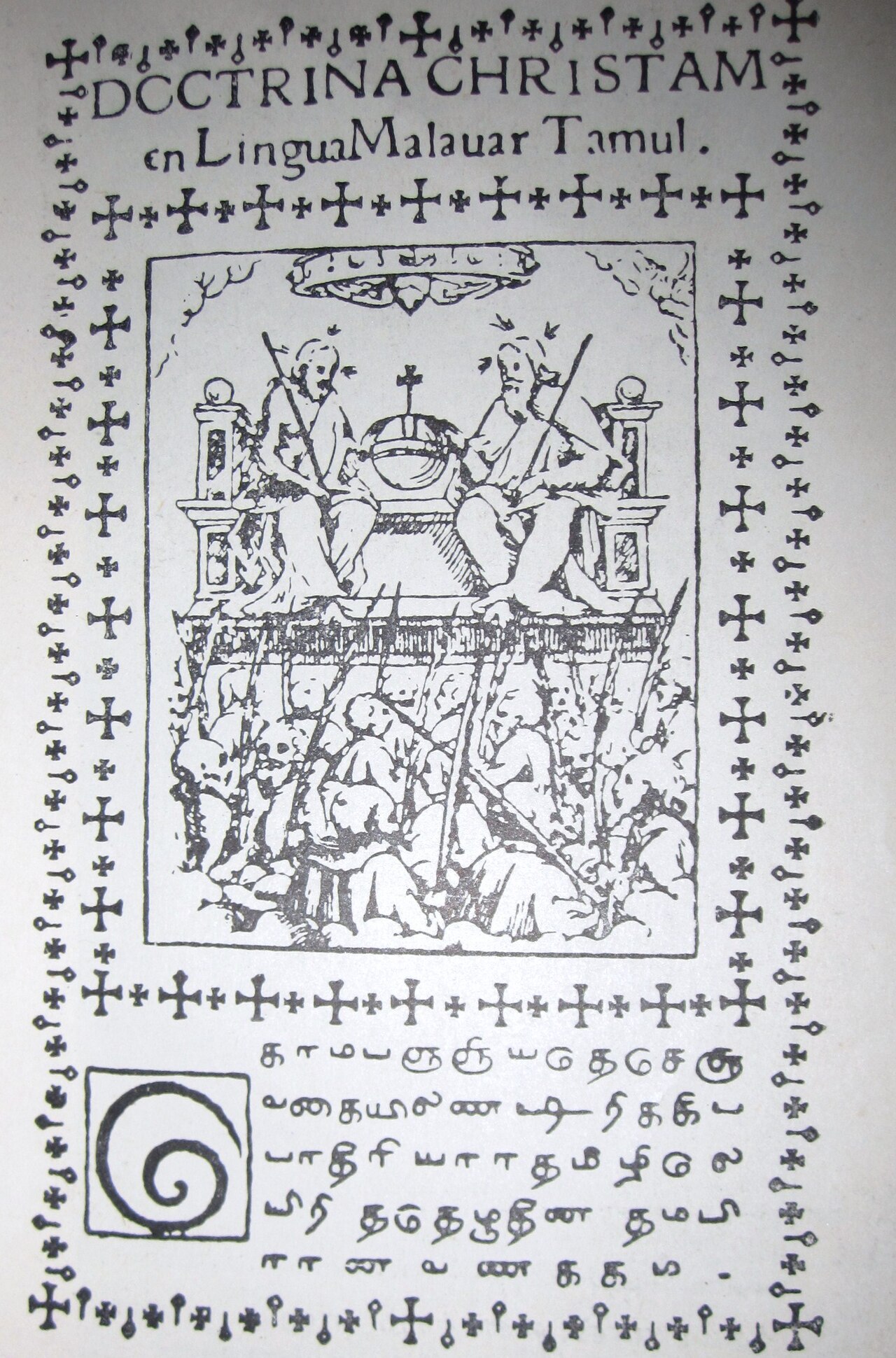
Rediscovered and documented the 1554 Cartilha (Lisbon), 1578 Thambiran Vanakkam (Quilon), 1579 Kiristiani Vanakkam, 1679 Antão de Proença Tamil-Portuguese Dictionary (Vatican), and 1549 Arte da Lingua Malabar grammar manuscript.
Reference Works & Bibliographies
அடிப்படை ஆய்வு நூலியல்கள் & வழிகாட்டிகள்
Published A Reference Guide to Tamil Studies (1966, University of Malaya Press), a 130-page research bibliography. Arranged republication and expansion of Simon Casie Chetty’s Tamil Plutarch.
International Teaching & Lectures
உலகப் பல்கலைக்கழக விரிவுரைகள் & கல்விப் பணி
Lectured across Japan, Chile, Brazil, Peru, Mexico, Ecuador, USA, and Europe. Delivered over 200 lectures in a single year of travel.
Selected publications register
Chronological RegisterSelected Publications
25 records
| # | Year | Title & Details | Field | Language | Access |
|---|---|---|---|---|---|
| 01 | 1967 | Landscape and Poetry Classical study of nature in Tamil poetry · 157 leaves | Tamil Literary Essays | Readable | |
| 02 | 1953 | Nature in Ancient Tamil Poetry M.Litt. research monograph · Tamil Literature Society, 185 p. | Tamil Literary Essays | Readable | |
| 03 | 1963 | Nature Poetry in Tamil Nature study work | Tamil Literary Essays | Readable | |
| 04 | 1967 | Tiruvalluvar Annamalai University lectures · 64 p. | Tamil Literary Essays | Readable | |
| 05 | 1967 | Ulaga Ozhakkaviyalil Tirukkural Moral philosophy treatise | Tamil Literary Essays | Readable | |
| 06 | n.d. | Educational Thoughts in Ancient Tamil Educational essays | Tamil Literary Essays | Readable | |
| 07 | 1952 | Tamilttūtu Tamil essay collection · Open Library, 114 p. | Tamil Literary Essays | Readable | |
| 08 | 1965 | Tamilar Panpatu Tamil cultural essays | Tamil Culture & Civilization | Readable | |
| 09 | 1971 | Tamil Culture and Civilization Asia Publishing House readings · 233 p. | Tamil Culture & Civilization | Readable | |
| 10 | 1952–66 | Tamil Culture (Vols. 1–12) Quarterly research journal · bound scan & cleaned text | Tamil Culture & Civilization | Readable | |
| 11 | 1952 | The Ethical Interpretation of Nature Cleaned 1952 Tamil Culture essay · concise and ready to read | Tamil Culture & Civilization | Readable | |
| 12 | 1966 | Ore Ulakam Tamil travel reflections · 230 p. | Tamil Culture & Civilization | Readable | |
| 13 | 1966/68 | 1st International Conference Proceedings IATR Kuala Lumpur conference papers · two volumes | Tamil Research & Bibliographies | Readable | |
| 14 | 1968 | Tamil Studies Abroad IATR symposium volume · 288 p. | Tamil Research & Bibliographies | Archival Reference | |
| 15 | 1980 | Research in Tamil Studies Thanthai Chelva Memorial Lecture, Colombo | Tamil Research & Bibliographies | Readable | |
| 16 | 1966 | A Reference Guide to Tamil Studies University of Malaya Press bibliography · 122 p. | Tamil Research & Bibliographies | Archival Reference | |
| 17 | 1964 | Antão de Proença's Dictionary (1679) 17th-century Tamil-Portuguese dictionary reprint & commentary | Tamil Research & Bibliographies | Readable | |
| 18 | 1950 | The Carthaginian Clergy Roman doctoral research · Tamil Literature Society, 112 p. | Tamil Research & Bibliographies | Archival Reference | |
| 19 | 1972 | Tamil Humanism, the Classical Period Jaffna College lectures · 57 p. | Philosophy & Tamil Humanism | Readable | |
| 20 | 1972 | Aspects of Tamil Humanism Humanism study volume | Philosophy & Tamil Humanism | Readable | |
| 21 | 1962 | Indian Thought and Roman Stoicism Comparative philosophy paper | Philosophy & Tamil Humanism | Readable | |
| 22 | 1995 | Collected Papers of Thani Nayagam Adigalar IITS posthumous English collection · 523 p. | Collected Works & Addresses | Readable | |
| 23 | 2013 | Complete Works of Thani Nayaga Adigalaar Compilation record | Collected Works & Addresses | Readable | |
| 24 | 1999 | Collected Speeches of Thani Nayagam Adigal IITS posthumous Tamil speeches · 178 p. | Collected Works & Addresses | Readable | |
| 25 | 1983 | Tamilāram Memorial tribute volume | Collected Works & Addresses | Readable |